↳ Index · 2026 / Edition 02
Index 01Venus Rabbani
RoleStaff Product Designer
Human–AI Interaction
LocationLondon · 51.5°N
Edition2026 / Vol. 02

Designing the
human layer
of AI*

For systems that think, learn, collaborate — and sometimes get it wrong.

*   Staff Product Designer shaping trustworthy interaction between people and complex intelligent systems. Currently at AutogenAI, previously SATIS.AI. Architecture & urban design before that — which is, it turns out, where I learned everything I know about ambiguity, context and emergent behaviour.

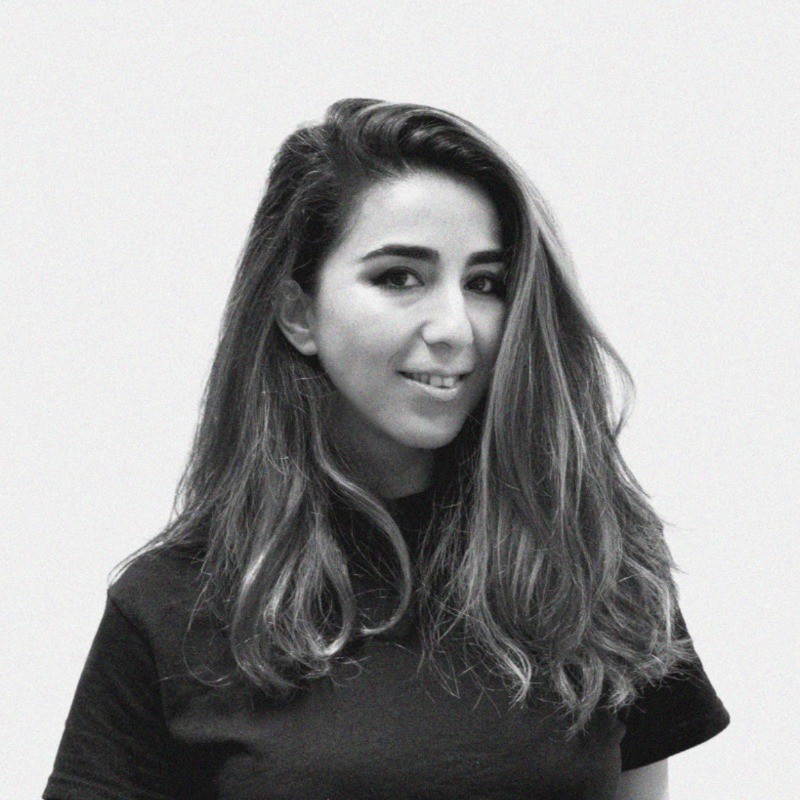
Venus Rabbani, portrait
Venus Rabbani · London
Portrait
2026
↳ Cartoons, travel notes &
observed-behaviour studies
live on the field-notes page.
— 02 / About

From architecture to AI products — the same design problem, at a different scale.

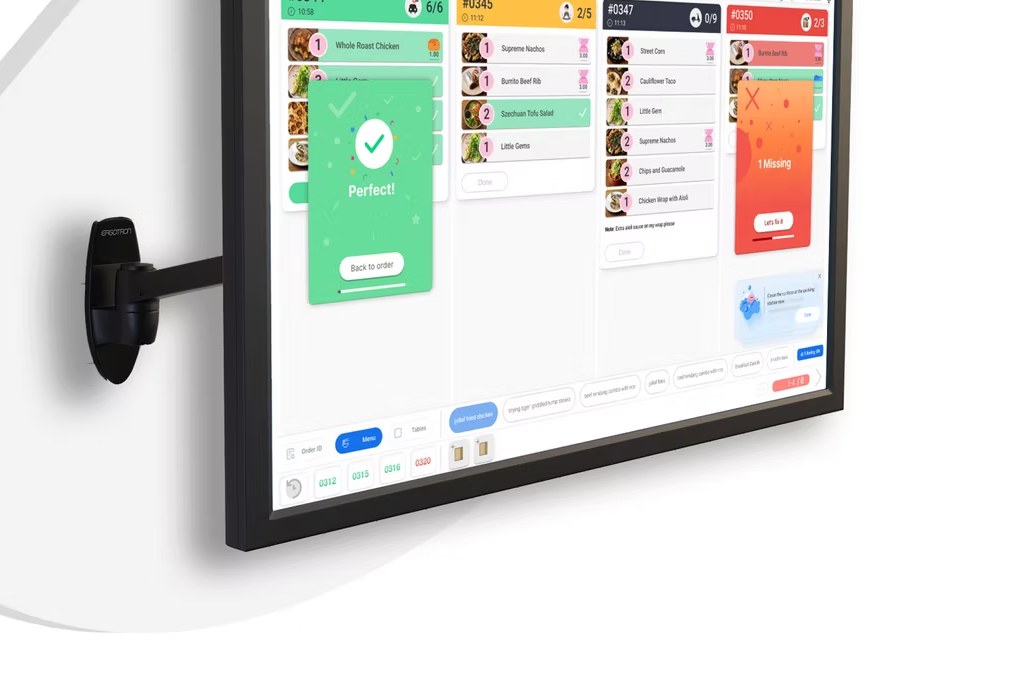
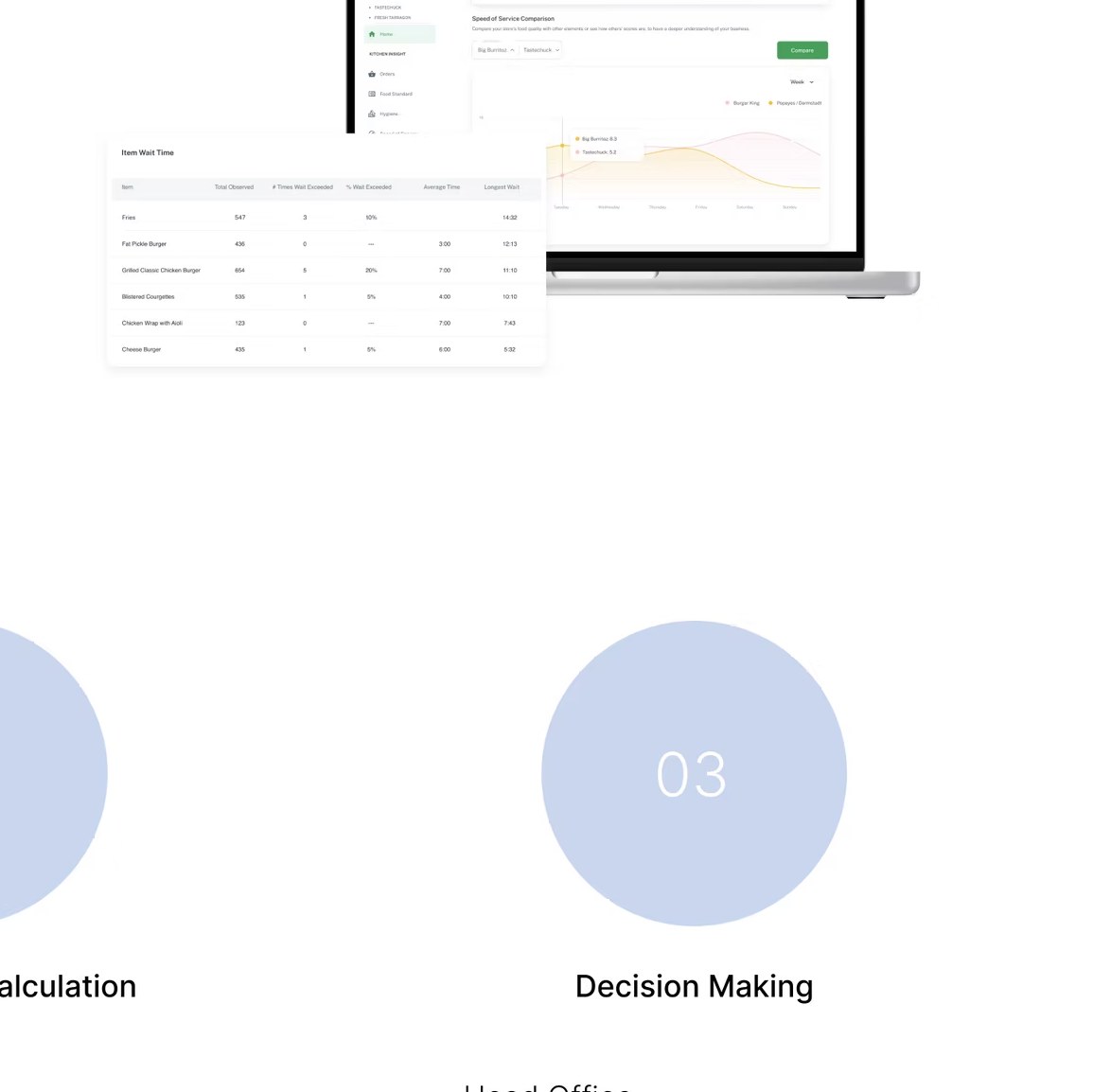
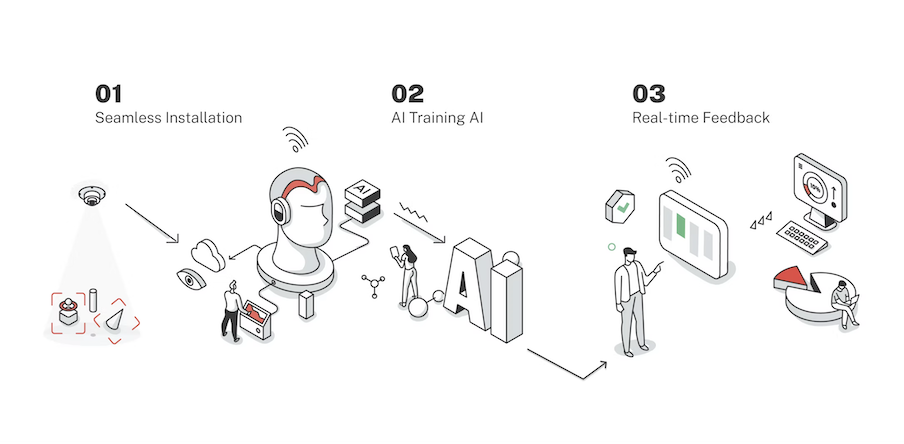
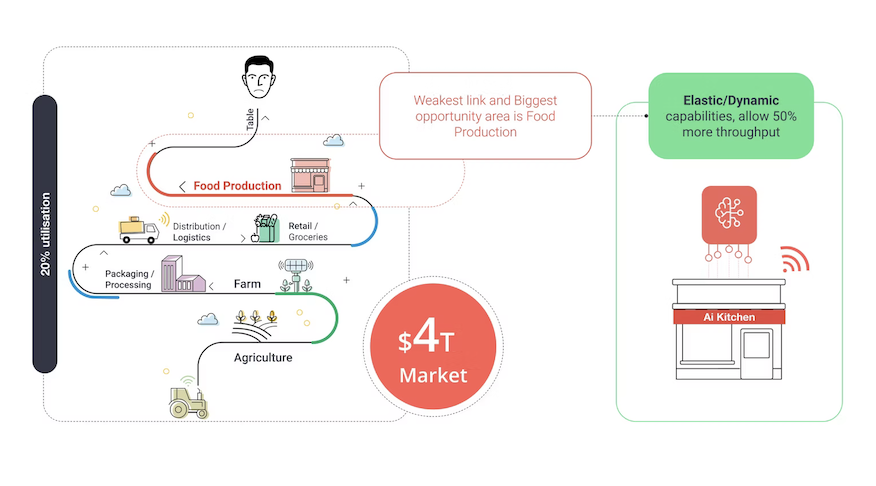
Venus is a London-based human–AI interaction designer with a background in architecture and urban design. She designs products where humans need to understand, guide and trust complex systems — from generative AI proposal platforms at AutogenAI to computer-vision systems in the chaotic operational environments of fast-food kitchens.

Before AI, she spent nearly a decade at Studio Ra and earlier practices working on service blueprints, customer journeys and the built environment — learning, in retrospect, exactly the right things to bring to systems that are contextual, emergent and probabilistic.

Outside of work she draws cartoons, travels, and pays attention to the small ways people quietly negotiate with the machines around them.

2025 — nowStaff Product Designer · Human–AI InteractionAutogenAI
2023 — 2025Senior Product DesignerAutogenAI
2020 — 2023Senior · then Product & Experience DesignerSATIS.AI
2016 — 2019Design PartnerStudio Ra
2014 — 2016UX / UI Designerum.ai
2025HCI for AI Systems Design · 100%Cambridge
2011MA Urban Design · DistinctionUniv. Sheffield
BArch Architecture
— 03
A working diagram

From command to collaboration.

Fig. 01 — Interaction model, evolving
Scroll, or click a row

Human goal System action

01
I command    the system responds
Deterministic.
Tool-shaped.
02
I ask    the system suggests
Probabilistic.
Confidence visible.
03
I guide    the system adapts
Contextual.
Correctable.
04
We collaborate    toward a shared goal
Goal-oriented.
Accountable.
— 04
Selected work · 2020 — present

Four projects on what it means to share a goal with a machine.

Plus 9 years before AI — architecture, urban design and service design at Studio Ra, Bauman Lyons and beyond. UM.AI in 2015 was where Food.AI first showed up.
Read UM.AI · Before AI  
— 05
Operating principles

Four things I'm always designing for.

— 01 / Legibility

Legibility.

Help users see what the system is doing, why, and what to do next. The interface is the explanation.

— 02 / Trust

Trust.

Design for confidence, correction, control and accountability — not for AI magic.

— 03 / Context

Context.

The AI doesn't live in a vacuum. It lives in kitchens, bids, teams and human routines. Design that.

— 04 / Collaboration

Collaboration.

Move AI from tool to teammate — without removing human agency or judgement.

— 06
Thinking · in progress

Notes from designing at the edge.

— 07
Field notes · craft

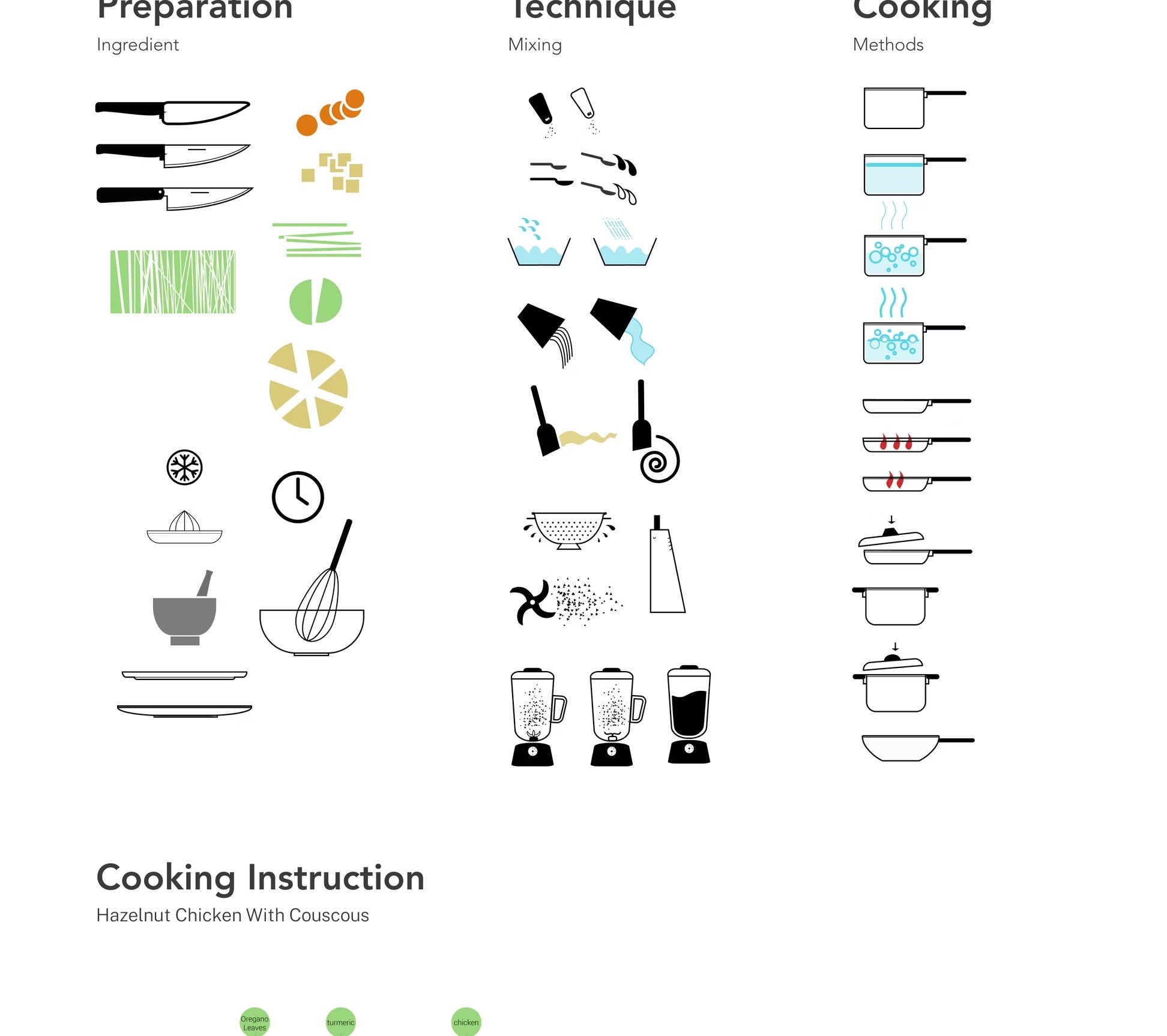
Drawings, diagrams & infographics — for making complex systems legible.

Why these matter →

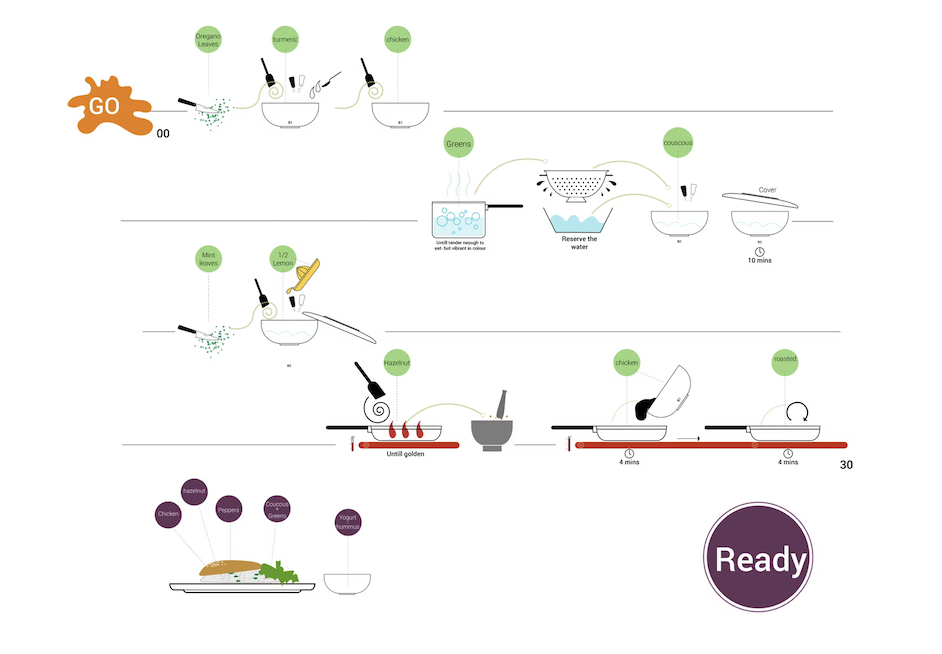
An adjacent practice. Most of what I do as a product designer started here — in single drawings that have to explain an entire system to a stranger in fifteen seconds. The skill transfers directly to designing for AI: half the job is making something probabilistic look like something a human can hold.

Plus cartoons, observed-behaviour studies and architectural sketches View all infographics →
— 08
Speaking · workshops

A talk on letting go of the command line.

AutogenAI · In Production, London · 2025 Run 03:15
From Commands to Collaboration with AI

How interaction design has to evolve when the tool starts having intent.

A talk on moving from deterministic interfaces — the command line and its descendants — to goal-oriented, collaborative systems. Where the user holds the goal, the system holds the means, and the design holds the relationship.

  • 01Shared goals — designing the contract, not the click.
  • 02Cognitive load — what the human carries vs. what the system carries.
  • 03Human control — correction loops as a first-class pattern.
  • 04Legibility — making probability visible without scaring anyone.
Available for conferences, leadership offsites & team workshops.
Also delivered privately at series-A/B AI teams.
— 09 / Contact

Let's design AI people can actually work with

— for the kind of AI work that is too interesting to outsource and too complicated to ignore.
Designed at the seam of human & machine